The Benefits of Payment Gateways: Faster, Safer Online Payments
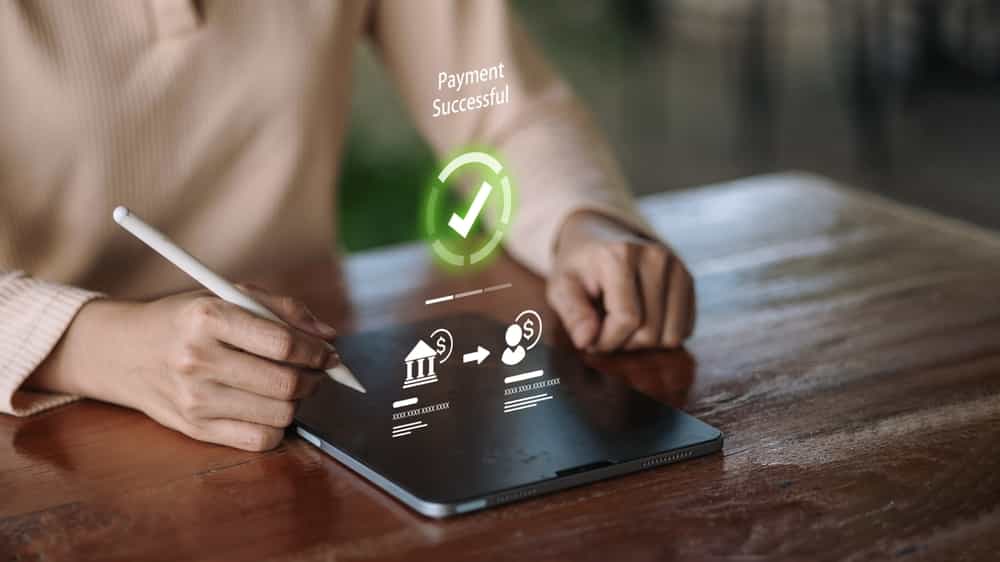
Digital payments reached a staggering $9.5 trillion globally in 2023. That volume depends on infrastructure most customers never see. Behind every successful online transaction sits a payment gateway—the technology that captures customer payment details and routes them securely to a processor.
The benefits of payment gateway technology extend far beyond basic acceptance. The right gateway can help strengthen security, improve the customer experience, and boost approval rates. It can also help reduce back-office workload. This article breaks down what those payment gateway benefits look like in practice.
What Is a Payment Gateway (and Why It Matters)?
A payment gateway is the secure technology layer that captures customer payment details and transmits them to a processor for authorization. It handles credit card transactions, digital wallets, and bank transfers, acting as the bridge between the merchant's checkout page and the payment processing provider. The process moves incredibly quickly.
A customer enters payment info at checkout, and the gateway encrypts the data using Secure Sockets Layer (SSL) technology. From there, it transmits the encrypted details to a processor, which routes the transaction through the appropriate card network to the issuing bank. The bank approves or declines. The gateway relays the response back to both the merchant and the customer—all within seconds.
Why use a payment gateway? The value shows up as reduced security risks, smoother checkout flows, higher approval rates, and less manual back-office work.
These advantages apply primarily to businesses that sell online; however, omnichannel operations benefit too. Gateways are essential for card-not-present transactions where customers enter payment details remotely. Businesses that also sell in person can integrate the same gateway with point of sale (POS) systems, giving them unified reporting and security across all channels.
Payment Gateway Security Benefits: Encryption, PCI Scope Reduction, and Fraud Protection
Gateways use payment data encryption to convert card details into unreadable data during transit. Tokenization for payments takes this a step further, replacing sensitive card information with non-sensitive tokens that are useless if intercepted. Together, these features remove the need for merchants to store raw card numbers in their systems, which helps with Payment Card Industry (PCI) compliance.
Hosted payment pages (a.k.a. hosted checkout pages) or embedded secure fields also help keep sensitive data off merchant servers, which can make the business's payment environment more secure when using a PCI-compliant payment gateway. In addition to reducing the risk of fraud, compliance also helps merchants avoid penalties, fees, or the potential loss of their ability to accept cards altogether.
Encryption isn't the only standard security feature. There are several other payment gateway fraud protection tools:
- Address Verification System (AVS) checks billing addresses against card issuer records.
- Card Verification Value (CVV) confirms the security code on the back of the customer's card.
- 3D Secure adds an authentication layer for online checkout security through programs like Visa Secure.
- Velocity checks monitor transaction frequency and flag suspicious patterns.
- Real-time fraud scoring assigns risk levels as transactions occur.
Many advanced gateways now use machine learning to strengthen detection. These systems analyze unusual spending patterns, mismatched addresses, repeated failed attempts, and geographic anomalies, often without adding friction at checkout.
The real-world impact adds up: fewer fraudulent orders, a lighter compliance workload, and stronger customer trust. Chargebacks alone cost $20–100 per incident.
Better Checkout Experience and Higher Conversion Rates With a Payment Gateway
A payment gateway creates a structured checkout layer through seamless payment integration, whether through hosted payment pages, embedded forms, or pay-now links. This structure can reduce failed payments and user confusion while keeping customers in a familiar, branded environment throughout the transaction.
A faster checkout process depends on a few key features: mobile-optimized entry fields sized for smaller screens, saved payment credentials for returning customers (when compliant), and one-click flows that skip redundant data entry. Each of these removes a potential drop-off point.
These details matter. Research shows 18% of customers abandon their cart if checkout feels too long or tedious. Frictionless payments can reduce cart abandonment, improve the checkout experience, and lift sales.
Localization plays a role too. Gateways that support multiple languages, currency displays, and preferred payment method options can all help reduce friction for diverse customers. A shopper in Germany may expect different payment options than one in the United States. When customers cannot pay their preferred way, they may choose a different vendor entirely.
These checkout improvements reflect strong payment processing design and can help boost customer satisfaction, loyalty, and repeat purchases.
Faster Authorizations, Streamlined Processing, and Improved Cash Flow
Payment gateway speed operates on two layers. Real-time payment authorization lets customers see approvals or declines instantly. Behind the scenes, automated routing moves transaction data to processors and banks without manual intervention.
The authorization sequence unfolds quickly:
- The gateway encrypts payment data and performs initial validation.
- Encrypted details travel to the customer's bank for fund verification.
- The bank returns an approval or decline.
- The gateway relays the result to the merchant and customer.
Settlement is separate; approved transactions are batched and processed, typically within 24–48 hours. Authorization confirms funds are available at the time of purchase, and the actual transfer happens later during settlement.
From an operational standpoint, faster and cleaner authorizations can mean fewer delayed orders. Reduced payment failures can shorten the time between sale and fulfillment. For businesses running tight inventory or time-sensitive delivery windows, that gap matters.
Cash flow benefits follow. Smoother approvals can stabilize revenue timing, especially for high-volume sellers or subscription-based models where predictable income is essential. Fewer declines and retries mean fewer disruptions to the payment cycle.
These advantages become even more important in B2B payments where transaction volume, precision, and timing are critical to vendor relationships and working capital.
Omnichannel and Multi-Payment Acceptance Benefits
Modern payment gateways support a wide range of payment methods:
- Credit and debit cards
- Automated Clearing House (ACH) and bank transfers
- Digital wallets like Apple Pay, Google Pay, and Samsung Pay
- Buy Now, Pay Later (BNPL) options such as Affirm, Klarna, and Afterpay
- Pay-by-link for invoices
This variety serves a practical purpose. Customers expect to pay the way they prefer, and when that option is missing, they may abandon checkout or choose a different vendor altogether.
A unified gateway helps businesses keep up. It can support online, mobile, and in-person acceptance with consistent security and reporting, simplifying operations while covering more ground.
That coverage matters as customer habits evolve. Mobile eCommerce sales are projected to reach approximately $710 billion in the U.S. by 2025. Mobile wallets use Near Field Communication (NFC) technology for contactless tap-to-pay, and speed and convenience have become baseline expectations.
The shift isn't limited to consumers. B2B payment methods are evolving too, with ACH and digital wallets now sitting alongside traditional cards in many business transactions.
Simply put, the ability to accept however customers want to pay is one of the most practical advantages of payment gateways.
Operational Efficiency: Reconciliation, Reporting, and Automation
Payment gateways centralize transaction data—status, timestamps, payment type, partial captures, and refunds—all in one place. This makes reconciliation faster and less error-prone.
Most gateways include automation features that reduce manual work:
- Webhook alerts for transaction events
- Automatic receipt issuance
- Integration with eCommerce platforms, Enterprise Resource Planning (ERP) systems, and accounting tools
- Role-based access so finance teams can view only what they need
Reporting adds another layer of value. Real-time dashboards track transaction volume, settlement status, chargebacks, and payment trends. These insights can help inform pricing decisions, marketing spend, and product strategy.
The measurable benefits are straightforward: fewer hours spent matching orders to payments, cleaner books and faster dispute resolution, and better internal visibility across departments.
Consider a high order volume store processing hundreds of transactions daily. Manual reconciliation means hours of staff time sorting through records, flagging discrepancies, and chasing down errors. Automated gateway reconciliation compresses that work into minutes.
Merchant services with strong reporting capabilities can help significantly reduce back-office burden, freeing teams to focus on higher-value tasks instead of data entry.
These efficiency gains compound over time. Gateways that connect to broader B2B solutions are designed to automate workflows and minimize human error across the entire payment operation.
Scalability and Global Expansion Benefits of Payment Gateways
Scalable payment infrastructure means a gateway can handle higher transaction volumes, peak traffic, and multi-store setups without requiring a rebuild. As a business grows, its checkout system should grow with it.
Growth also means increased geographic reach. Global payment acceptance expands the customer base. A multi-currency payment gateway lets shoppers pay in their local currency, removing a common friction point for international buyers. Some gateways support 100 or more currencies. With the global eCommerce market expected to top $8 trillion by 2026, the ability to sell across borders is increasingly essential.
Cross-border features extend beyond currency. Strong gateways offer:
- Local payment methods tailored by region
- Region-specific fraud rules to reduce false declines
- Multi-Merchant Identification Number (Multi-MID) support for processing payments through different merchant accounts
These capabilities matter for businesses operating in more than one market or planning to expand.
Choosing the right gateway early can prevent headaches later. Switching payment stacks mid-growth is disruptive and expensive. District Bankcard's Priority Commerce Engine is built with this in mind, supporting high transaction volumes and complex fund flows so businesses can scale without starting over.
How to Evaluate a Payment Gateway
Selecting the right payment gateway starts with a clear checklist:
- Channels needed – online only vs. omnichannel
- Payment methods and currencies required
- Integration style – hosted checkout vs. Application Programming Interface (API)
- Fraud and chargeback risk profile
- Reporting and reconciliation needs
- Pricing transparency – gateway fees, add-ons, cross-border costs
- Support and Service Level Agreement (SLA) expectations
Integration matters too. Look for a developer-friendly API with clear documentation, Software Development Kits (SDKs), and sandbox environments for testing. The gateway should work smoothly with existing eCommerce platforms, ERP systems, and Customer Relationship Management (CRM) tools. District Bankcard’s Priority Payments platform offers this kind of flexibility out of the box.
There is also a structural decision to make. All-in-one Payment Service Provider (PSP) bundles offer simpler setup with a single vendor. A standalone gateway paired with a preferred processor can provide more flexibility on rates. The best fit depends on each organization's transaction volume, technical resources, and growth plans.
Businesses unsure about gateway/processor fit, cost structure, or omnichannel requirements can contact District Bankcard to talk through options. Those ready to move forward can request a quote to see what a tailored setup looks like.