
Understanding the Different Types of Merchant Services
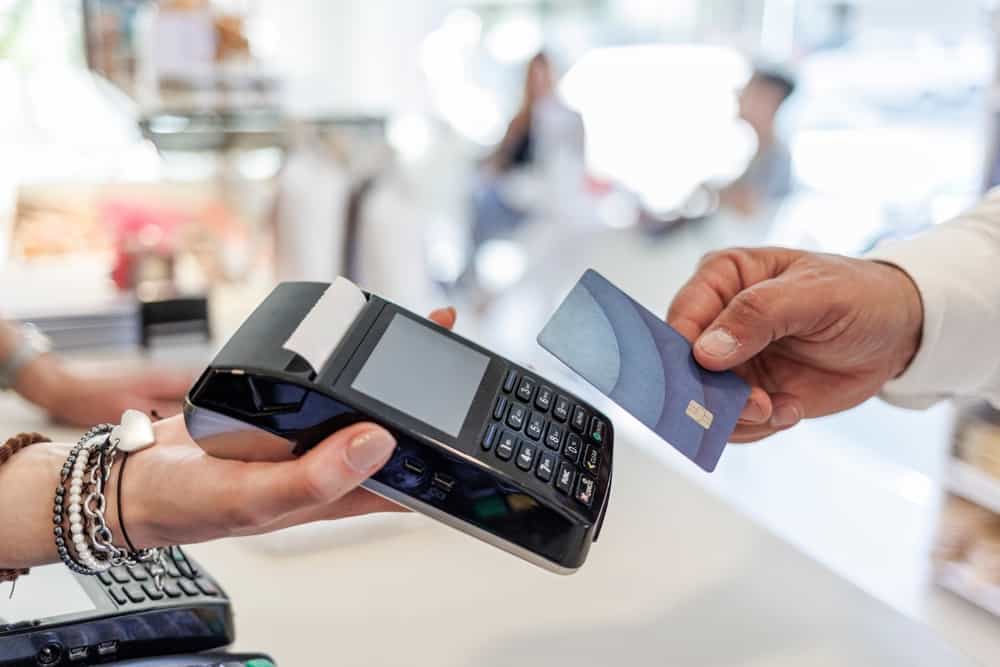
Every card swipe, online checkout, and tap-to-pay transaction moves through a network of interconnected systems. These systems handle authorization, route funds between banks, and protect sensitive data from fraud. Merchant services is the umbrella term for this ecosystem of payment-related tools and support infrastructure.
This guide breaks down the major types of merchant services and explains how each category supports the payment lifecycle.
Categories of Merchant Services for Business Payments
A complete payment ecosystem typically consists of six primary categories that function together behind the scenes:
- Payment processing handles the authorization, routing, and settlement of transactions.
- Payment acceptance hardware includes physical terminals, card readers, and self-service kiosks.
- Online tools provide gateways, hosted checkout pages, and Application Programming Interface (API) connections for digital sales.
- Fraud prevention covers data encryption, compliance management, and chargeback protection.
- Customer engagement leverages loyalty programs, gift cards, and promotional tools.
- Back-office integrations manage reporting, accounting synchronization, and reconciliation.
These components work in unison to manage the full payment lifecycle rather than operating in isolation.
A merchant services provider (MSP) acts as the intermediary between businesses, acquiring banks, and card networks. This role coordinates the full transaction lifecycle, from sending authorization requests to routing responses and settling funds. Providers often bundle these services for Small and Midsize Business (SMB) and enterprise clients based on operational complexity.
Adoption strategies vary significantly by business model (and merchant service provider):
- Retail brick-and-mortar stores emphasize Point-of-Sale (POS) hardware and inventory integration to create robust in-store payment systems.
- Pure eCommerce businesses typically prioritize gateways and recurring billing for secure online credit card processing.
- Hybrid models require multichannel payment processing to ensure card payments flow seamlessly whether the customer pays in-store, online, or via mobile.
Many businesses take a modular approach by selecting specific tools based on operational gaps. For example, a food truck might start with mobile processing before adding a loyalty program as volume grows. Custom payment integrations allow businesses to connect merchant services with existing software, such as Customer Relationship Management (CRM) platforms. And scalability ensures the provider can accommodate expanding needs without forcing a full platform switch.
Payment Processing Solutions for Merchants
Merchant payment processing is the foundational service that enables businesses to accept credit cards, debit cards, and digital wallet transactions. The processing system handles the authorization, verification, routing, and settlement of these electronic payments.
An MSP coordinates this full transaction lifecycle by sending authorization requests and settling funds between parties, with settlement normally taking place within one to two business days.
Processing methods and costs differ significantly based on the specific sales channel:
- In-person payments occur via terminal swipe, dip, or tap, offering the lowest fraud risk and typically the lowest fees.
- Online payment processing handles card-not-present transactions through a gateway, where higher fraud risks often result in higher fees.
- Mobile processing uses wireless terminals or smartphone readers, allowing for setup in under 48 hours.
Types of merchant accounts vary based on how the business accepts payments:
- Retail accounts focus on brick-and-mortar locations where most processors require 70% or more of sales to be swiped through a terminal.
- Mail Order/Telephone Order (MOTO) accounts combine telephone and mail-order processing for catalog or call-center businesses.
- B2B payment processing provides specialized handling for business-to-business transactions, including invoicing and higher transaction limits.
Companies must also choose between a dedicated merchant account and the payment facilitator model:
- Traditional accounts provide a unique Merchant ID and negotiable volume limits, though the verification process may take weeks.
- Third-party payment processors like PayPal or Square act as aggregators that share an umbrella account to offer instant approval. These sub-merchant setups are simpler but often come with higher per-transaction costs and stricter limits.
Small businesses often start with aggregators for speed, then transition to dedicated accounts once their transaction volume justifies the switch to lower rates.
POS Systems & Merchant Hardware Solutions
Merchant POS systems combine hardware and software to enable in-person payment acceptance and streamline business operations. These systems serve as the central hub for brick-and-mortar commerce, connecting sales data with broader operational tools.
Hardware configurations vary significantly based on specific business needs:
- Countertop terminals provide stationary units for checkout counters with wired network connections.
- Mobile card readers attach to smartphones or tablets, making them ideal for mobile businesses or tableside service.
- Integrated POS stations feature touchscreen displays, barcode scanners, receipt printers, and cash drawers.
- Self-service kiosks offer customer-facing units designed for high-volume quick-service environments.
Selecting the right hardware requires attention to compatibility standards. For instance, EMV compliance requires specialized readers to process chip-enabled cards, which reduces fraud liability for merchants. Additionally, Near-Field Communication (NFC) capabilities enable tap-to-pay and mobile wallets like Apple Pay and Google Pay.
Modern POS systems extend capabilities far beyond simple payment acceptance:
- Inventory tracking monitors real-time stock levels and triggers automatic reorders.
- Employee management tools handle time clocks, shift scheduling, and sales-per-employee reporting.
- Sales analytics provide insights into transaction trends, peak hours, and average ticket sizes.
- Loyalty integration allows for point accrual and redemption directly at checkout.
Different industries often require specialized configurations to maximize efficiency:
- Quick-service restaurants, for example, benefit from speed-focused interfaces and kitchen display integration. By contrast, full-service establishments need tableside ordering and split-check functionality.
- Retailers rely on barcode scanning and variant tracking for sizes and colors. Service-based businesses like salons use appointment booking integration and staff commission tracking to manage their workforce.
Ultimately, effective payment system integration can help simplify your operations. Many businesses choose to source their terminal and merchant account from the same provider to ensure seamless support and unified data access.
Online Merchant Services & eCommerce Payment Tools
Online merchant services enable card-not-present (CNP) transactions for websites, mobile apps, and digital storefronts. These systems function differently than retail setups because they must secure data without a physical card swipe.
The core technology stack for online sales typically includes three main integration types:
- An eCommerce payment gateway captures and encrypts card data for authorization, effectively replacing the physical terminal used in stores.
- A hosted payment gateway redirects customers to a provider’s secure page to enter payment info, which significantly reduces the merchant's PCI compliance burden.
- Custom payment integrations via API allow for direct connection to a merchant's site, offering more control over the checkout experience but requiring higher technical maintenance.
The industry enforces strict security requirements for these transactions because the card is not present. Merchants must use several different verification tools:
- Card Verification Value (CVV) verification confirms the customer possesses the physical card.
- Address Verification Service (AVS) matches billing addresses to issuer records.
- Secure Sockets Layer (SSL) encryption secures data transmission between the browser and server.
Specialized tools help maximize revenue beyond simple transaction acceptance:
- Recurring billing engines manage automated subscription charges and handle failed payment retry logic.
- Buy Now/Pay Later (BNPL) integrations offer installment options at checkout where the provider assumes the risk.
- International merchant services allow businesses to accept payments in a customer's local currency and convert it for deposit.
Platform compatibility is also critical for operations.
The gateway must integrate seamlessly with the shopping cart, whether using major platforms like Shopify or custom builds. Pre-built plugins simplify setup, though businesses must monitor checkout friction to prevent abandoned carts.
For businesses that take orders via phone or mail, virtual terminals offer a solution. This software transforms a standard computer into a card terminal, allowing employees to manually key in card information.
However, these conveniences come with costs. Transaction fees for CNP payment processing are typically higher than card-present rates due to the elevated risk of fraud.
Fraud Prevention & PCI-Compliant Payment Security
Because electronic payments introduce fraud and data breach risks, merchant services must include protective measures to safeguard revenue. This security framework relies on the Payment Card Industry Data Security Standard (PCI DSS), which establishes mandatory requirements for any business handling card data.
Built-in fraud detection tools usually include several layers of defense:
- Transaction velocity checks flag unusual purchase frequency or volume spikes.
- Device fingerprinting identifies suspicious devices based on browser, IP, and hardware characteristics.
- AVS and CVV matching verify card details against issuer records.
- Chargeback alerts provide an early warning when a customer disputes a transaction.
- Tokenization is a technology that replaces sensitive card numbers with non-sensitive identifiers that are useless if intercepted.
- Point-to-Point Encryption (P2PE) further secures the process by encrypting card data from the moment of a swipe or dip through the processor so it is never exposed in readable form.
Service providers help smaller merchants meet these rigorous requirements through routine security assessments and secure data storage practices. This assistance is critical for businesses without dedicated IT teams, as non-compliance can lead to fines, increased transaction fees, and liability for breaches.
Even with robust security, disputes can still occur. Chargeback protection tools assist in these scenarios by identifying at-risk transactions before they escalate. If a dispute does proceed, automated resolution features respond to bank inquiries with transaction evidence to recover revenue.
These protective measures ultimately serve as a competitive advantage. Customers often hesitate when facing unfamiliar checkout pages, while visible security signals like trust badges can increase conversion rates.
Customer Loyalty, Gift Cards & Engagement Services
Although merchant services used to focus exclusively on traditional transaction processing, it now includes essential tools for driving repeat purchases and ensuring customer retention.
For example, gift card merchant services help provide businesses with new and predictable revenue streams. These cards are a low-maintenance revenue driver, as unredeemed balances often benefit the merchant.
In addition, customer loyalty tools encourage repeat visits through structured rewards:
- Point accrual systems let customers earn points per dollar to redeem for discounts.
- Card-linked rewards trigger automatic benefits when a shopper pays with a registered card.
- Tiered programs offer escalating perks for higher-spending customers.
Digital loyalty programs and payment-linked promotions further streamline the process. Automated coupon redemption at the POS eliminates paper codes, while cross-channel functionality ensures points earned in-store are redeemable online.
Reporting features tie this engagement directly to revenue performance:
- Systems track which campaigns drive sales and measure program ROI.
- Analytics identify high-value customers by their lifetime spend.
- CRM-integrated rewards connect purchase data to broader management tools.
This connectivity enables personalized marketing that extends well beyond the checkout counter.
Back-Office Reporting, Payout & Accounting Integration
Merchant accounting tools bundled with payment services can help significantly reduce manual administrative work and improve financial visibility.
Real-time dashboards can provide immediate insight into financial health:
- Payment dashboard analytics track transaction volume, approval rates, and decline reasons.
- Transaction fee breakdowns make interchange, assessment, and processor markups visible per sale.
- Payout reports detail scheduled deposit amounts, timing, and any holds.
- Chargeback tracking monitors dispute status and financial impact.
Sales reconciliation features can automatically match transactions to deposits to help flag discrepancies. This automation often reduces month-end close times.
Integrations with accounting software like QuickBooks can further streamline operations:
- Direct connections to ERPs like Xero or NetSuite allow transactions to flow automatically.
- Categorization rules reduce manual coding.
- Automation reduces errors associated with manual data transfer.
For SMBs with limited staff, these tools offer a centralized view of fees, transactions, and payouts in a single interface. Multi-location businesses benefit from consolidated reporting that allows them to compare performance location-by-location and identify top revenue generators.
Choosing the Right Types of Merchant Services for Your Business
Selecting the right services requires evaluating your business's unique payment needs. Key factors include business size, transaction volume, industry requirements, and the mix of sales channels.
Service bundles often align with specific business types:
- Restaurants typically need a POS with kitchen displays, tip adjustment, and mobile readers.
- Many professional services benefit from virtual terminals, recurring billing, and online invoicing.
- Retailers often require countertop terminals, inventory-integrated POS, and loyalty programs.
- eCommerce brands normally prioritize payment gateways, fraud prevention suites, and BNPL integrations.
In addition to core features, you should prioritize each solution's integration with your existing systems. Operational factors like up-time reliability and support responsiveness are just as critical for maintaining daily workflows. Financial terms require similar scrutiny, so you must watch for fee transparency to avoid hidden charges or early termination penalties.
Consider long-term fit as well, since needs grow more complex over time and the provider should be able to scale with you.
B2B solutions from District Bankcard Group offer customized packages aligned to specific business goals. These solutions simplify processing infrastructure to reduce operational overhead. This comprehensive approach supports outbound B2B payables just as effectively as customer-facing transactions.
Request a quote to build a merchant services stack matched to your operations.